
Views: 0 Author: Site Editor Publish Time: 2025-04-26 Origin: Site


Imagine designing a control panel that thrives in harsh conditions—resisting moisture, enduring millions of presses, and delivering precise feedback with every touch. This is the power of a well-crafted membrane switch, a technology at the heart of devices from medical equipment to industrial controls. But how do you design one that meets performance, durability, and aesthetic goals?
In this comprehensive guide, we’ll walk you through the essentials of membrane switch design, covering components, key considerations, advanced features, applications, and more. Whether you’re an engineer, designer, or manufacturer, you’ll find actionable insights to create reliable, user-friendly interfaces tailored to your needs.
A membrane switch is a low-profile, flexible electrical switch used to activate circuits through touch or pressure. It’s a layered assembly that completes an electrical circuit when pressed, offering a sleek, durable interface for user input. Unlike mechanical switches with moving parts, membrane switches are thin, lightweight, and customizable, making them ideal for compact and rugged applications.
Membrane switches are found in everything from microwave keypads to medical diagnostic tools. Their design prioritizes ease of use, cost-effectiveness, and resilience, ensuring reliable performance across diverse environments.


A membrane switch is a carefully engineered stack of layers, each serving a specific function. Understanding these components is crucial for effective design:
The top layer, the graphic overlay, is the user-facing surface displaying icons, text, or colors. Typically made of polyester or polycarbonate, it withstands wear, chemicals, and UV exposure. Finishes like matte, gloss, or textured enhance aesthetics and usability, while embossing adds tactile cues for key location.
The circuit layer, often printed with silver ink or copper flex, carries electrical signals. Single-sided circuits are cost-effective for simple designs, while double-sided circuits support complex layouts. The circuit’s tail, a flexible extension, connects to the device’s electronics.
The spacer layer, made of adhesive material, separates the circuit layers to prevent unintended contact. It includes vent channels to allow air movement, ensuring smooth key actuation and preventing pressure buildup.
Tactile feedback, provided by metal or rubber domes, confirms key presses. Metal domes (actuation force: 100–300 grams) offer sharp, durable feedback, lasting up to 5 million cycles. Rubber domes provide softer, quieter presses, suitable for consumer devices, with lifespans around 1 million cycles.
Designing a membrane switch requires balancing functionality, durability, and user experience. Here are the key factors to consider:
Choose materials based on durability and environment:
Polyester: Withstands 5 million cycles, resists chemicals, ideal for rugged applications.
Polycarbonate: Cost-effective, suitable for less demanding settings but less durable.
For harsh conditions, use hard-coated polyester to enhance scratch and chemical resistance.
Consider the operating environment:
Temperature: Ensure materials function from -40°C to 80°C.
Humidity: Use moisture-resistant adhesives to prevent delamination.
UV Exposure: Select UV-stabilized overlays for outdoor use.
For example, an outdoor kiosk switch needs IP67-rated materials to resist water and dust.
Adhesives bond layers and secure the switch to the device:
Acrylic Adhesives: Strong, humidity-resistant, ideal for industrial settings.
Silicone Adhesives: Flexible, temperature-tolerant, suited for extreme conditions.
Match adhesive strength to surface type (e.g., metal, plastic) for reliable bonding.
The overlay’s appearance impacts usability:
Colors: Use Pantone-matched inks for branding consistency.
Embossing: Pillow or rim embossing guides fingers to keys.
Transparency: Add windows for displays or LEDs.
Test legibility under various lighting conditions to ensure clarity.
Design the circuit for efficiency:
Common Bus: Simplifies wiring for small keypads.
Matrix Layout: Supports complex designs with multiple keys.
Tail Design: Optimize length and exit point for easy integration.
Incorporate ESD shielding in sensitive applications to protect circuits.
Modern membrane switches go beyond basic functionality, offering features that enhance performance and user experience:
Backlighting improves visibility in low-light conditions:
LED Backlighting: Energy-efficient, customizable colors.
Fiber Optic: Uniform illumination for large keypads.
Electroluminescent (EL): Thin, even lighting for premium aesthetics.
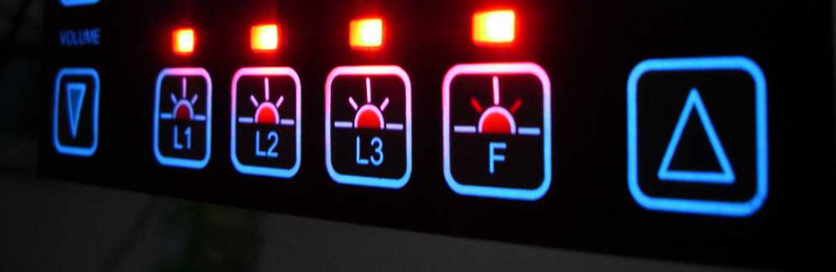
For example, a medical device keypad might use LED backlighting for nighttime operation.
Electromagnetic interference (EMI) or radio-frequency interference (RFI) can disrupt performance. Add shielding layers, such as conductive films, to protect sensitive electronics, especially in medical or aerospace applications.
Combine membrane switches with capacitive touchscreens for hybrid interfaces. This allows tactile buttons alongside touch gestures, ideal for advanced control panels in automotive or industrial systems.
Membrane switches are versatile, powering interfaces across industries:
Used in diagnostic tools, ventilators, and monitors for sterile, reliable input. IP67-rated switches resist disinfectants and ensure hygiene.
Rugged keypads withstand dust, vibration, and extreme temperatures in factory equipment, such as CNC machines or robotics.
Found in microwave ovens, remote controls, and fitness trackers, offering compact, user-friendly controls.

Dashboard controls and keyless entry systems use membrane switches for durability and sleek design.
A medical ventilator required a keypad that could endure frequent cleaning and provide clear tactile feedback. Designers chose a polyester overlay with acrylic adhesive, metal domes for 100-gram actuation, and LED backlighting for visibility. The IP67-rated design ensured reliability in sterile environments, showcasing membrane switches’ adaptability.
Membrane switches offer compelling advantages:
Durability: Last 1–5 million cycles, depending on materials.
Customization: Tailor layouts, colors, and feedback to specific needs.
Cost-Effectiveness: Affordable for high-volume production.
Slim Profile: Ideal for compact devices.
Sealed Design: Protects against dust, liquids, and bacteria.
These benefits make them a preferred choice for diverse applications.
Designing membrane switches comes with challenges, but solutions exist:
Overlays can fade or crack after prolonged use.
Solution: Use hard-coated polyester or UV-resistant materials.
Environmental factors like humidity can cause unintended activation.
Solution: Incorporate robust spacers and moisture-resistant adhesives.
Multi-layer designs can be tricky to align.
Solution: Use precision printing and automated assembly processes.
For example, an IP68-rated switch for an outdoor control panel uses hard-coated polyester and silicone adhesive to combat moisture and wear.
Membrane switch technology is evolving to meet modern demands:
IoT Integration: Connect keypads to smart systems for remote control.
Haptic Feedback: Add vibrations to mimic mechanical switches.
Sustainable Materials: Use eco-friendly polymers for greener designs.
Emerging applications include wearable medical devices and smart home interfaces, ensuring membrane switches remain relevant.
Membrane switches are a cornerstone of reliable, user-friendly interfaces, offering durability, customization, and cost-effectiveness. By carefully selecting materials, addressing environmental challenges, and incorporating advanced features like backlighting, designers can create keypads that excel in any application.
When designing your next membrane switch, match materials to your project’s needs—polyester for rugged durability, LED backlighting for visibility, or IP67 ratings for harsh environments. For expert solutions, Luphi Electronics offers customized membrane switches tailored for medical, industrial, and consumer applications. With over 15 years of expertise and ISO certifications (ISO9001, ISO13485), Luphi delivers high-performance designs that elevate user experiences. Contact us at +86-134-3741-0111 or jasony@luphitouch.com to bring your vision to life.


